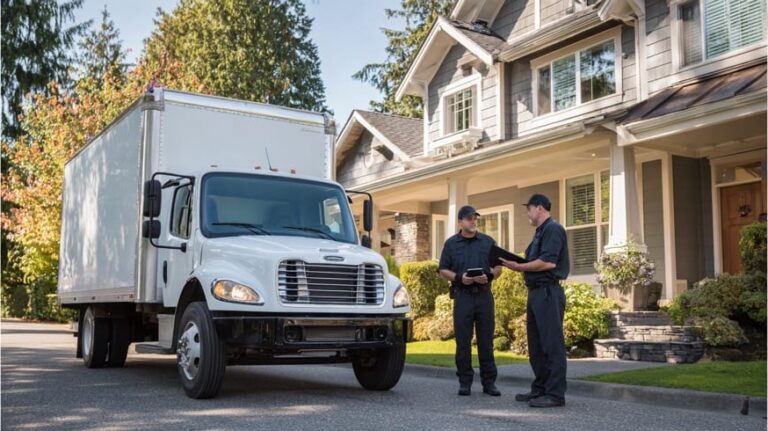


When you’re flipping a house, every day counts.
Once you close on a property, the clock starts running. Mortgage payments, insurance, property taxes, utilities, contractor schedules, and other holding costs don’t care whether the house is ready for renovation. The longer the property sits untouched, the more those expenses can eat into your eventual profit.
That’s why experienced real estate investors are constantly looking for ways to shorten the time between closing day and listing day.
One step that’s easy to underestimate is the initial property cleanout.
Professional junk removal for house flipping can clear a property quickly, give contractors room to work, and eliminate one of those annoying delays that can throw an entire renovation schedule off track.
For investors dealing with foreclosures, inherited properties, neglected rentals, or heavily cluttered homes, getting the junk out may be one of the first—and most important—jobs on the list.
Why Junk Removal Matters in House Flipping
Distressed properties rarely come with empty rooms and swept floors.
You may walk into a house filled with old furniture, broken appliances, mattresses, boxes, abandoned belongings, damaged carpeting, yard debris, and years of accumulated clutter. Garages, basements, sheds, and attics can be even worse.
Before your contractors can really get started, much of that material has to go somewhere.
You can certainly handle the cleanup yourself. Rent a dumpster, round up a couple of people, load a truck, make trips to the landfill, and spend a weekend—or several weekends—sorting through everything.
For some projects, that makes sense.
But there’s also a cost to your time.
If spending two or three days hauling junk delays demolition, flooring, electrical work, painting, or another contractor who is already scheduled, the cheaper DIY option may not actually be cheaper.
Professional junk removal for house flipping is less about avoiding dirty work and more about keeping the project moving.
The faster the property is cleared, the faster your renovation can begin.
Speed Can Have a Direct Impact on Profit
House flipping is full of expenses that continue whether work is being completed or not.
Depending on how the property was financed and where it’s located, your carrying costs may include:
- Loan or mortgage payments
- Property taxes
- Insurance
- Electricity, water, and other utilities
- HOA fees
- Lawn or property maintenance
- Security
- Interest and financing costs
Now imagine your renovation crew is ready to start Monday, but several rooms are still packed with abandoned furniture and debris.
Suddenly, you’re paying contractors to work around junk—or pushing the project back several days while everything gets cleared.
Neither option is ideal.
A fast cleanout helps avoid that bottleneck.
For real estate investors, professional junk removal can help by:
- Clearing properties before contractors arrive
- Allowing demolition and renovation work to begin sooner
- Reducing scheduling conflicts between crews
- Preventing cleanup from becoming a last-minute problem
- Helping investors move from acquisition to renovation faster
One day probably won’t make or break a flip.
But several unnecessary delays stacked together? That’s where timelines start slipping… and holding costs start piling up.
What Are REI Cleanouts
NAn REI cleanout, or Real Estate Investor cleanout, is different from calling someone to remove an old sofa or refrigerator.
Investors often need an entire property cleared—and they may need it done quickly.
That can include the house itself along with garages, sheds, basements, attics, crawl spaces, yards, and other areas that have accumulated unwanted material.
A typical investor cleanout may involve:
- Whole-property cleanup: Furniture, appliances, trash, boxes, abandoned belongings, and general household clutter
- Tight timelines: Cleanouts often need to happen before contractors or demolition crews arrive
- Large quantities: Some investment properties contain several truckloads of material
- Challenging conditions: Foreclosures, abandoned homes, hoarding situations, water-damaged properties, and neglected rentals can require much more work than a normal residential pickup
- Repeat service: Active investors may need cleanouts several times a year
For investors who regularly purchase distressed properties, having a dependable junk removal provider can become part of the acquisition process rather than something you scramble to arrange after closing.
And that can make life considerably easier.
Junk Removal Services That Can Help House Flippers
Different properties create different problems, but several junk removal services are especially useful when you’re preparing a home for renovation.
Full Property Cleanouts
Sometimes the easiest approach is simply to start with an empty house.
A full-property cleanout can remove unwanted items throughout the home, garage, basement, attic, and other accessible areas.
Depending on the service provider, this may include:
- Furniture
- Mattresses
- Appliances
- Boxes and household clutter
- Carpeting and flooring that has already been removed
- General trash and debris
- Items left behind by previous occupants
If you’ve ever opened an abandoned refrigerator that’s been sitting without power for a few months… well, you already understand why paying somebody else to deal with certain jobs can feel like money very well spent.
Exterior and Yard Debris Removal
The mess doesn’t always stop at the front door.
Neglected properties can have yards filled with branches, damaged outdoor furniture, broken fencing, old planters, abandoned equipment, and piles of debris.
Removing exterior junk early can make it easier for landscapers, roofers, painters, and other contractors to access the property.
It also gives you a better look at what actually needs to be repaired.
Common exterior removal items can include:
- Tree limbs and yard debris
- Damaged fencing
- Old patio furniture
- Scrap materials
- Outdoor clutter
- Construction debris
- Miscellaneous items left in sheds or garages
And later in the project, cleaning up the exterior helps reveal something buyers definitely notice: curb appeal.
Light Demolition
Some junk removal companies also offer limited demolition services.
Depending on the provider, they may be able to remove things such as:
- Old cabinets
- Vanities
- Carpet
- Flooring
- Interior fixtures
- Small sheds or structures
- Other non-structural materials
This can be particularly useful when you’re trying to prepare a property for a renovation crew.
Services vary considerably, though, so don’t assume demolition is included. Ask exactly what the company can remove before scheduling the job.
Specialty or Hazardous Materials
This is one area where you want to ask questions before anyone starts loading the truck.
Paint, chemicals, fuel, asbestos-containing materials, medical waste, and other hazardous substances often require special handling and may not be accepted by a standard junk removal company.
If you’re dealing with an abandoned or severely neglected property, let the provider know what you’ve found before the cleanout begins.
They can tell you what they can legally accept and whether a specialized disposal company is needed for anything they can’t take.
How to Choose the Right Junk Removal Partner
Not all junk removal companies are up to the task of REI cleanouts. Here’s how to separate House flippers don’t necessarily need the cheapest junk removal company.
They need one that shows up when promised, communicates clearly, and can handle the scope of the job.
A bargain price isn’t much help if your contractor is standing outside Tuesday morning because the property was supposed to be cleared Monday afternoon.
Before hiring a company, ask:
- Are you licensed and insured where required?
- Can you handle a complete property cleanout?
- Do you have experience with investment or distressed properties?
- How quickly can you normally schedule a cleanout?
- How is pricing determined?
- What items won’t you take?
- Can you remove debris from garages, sheds, basements, and yards?
- Do you offer photos after the job is completed?
If you’re an active investor, also ask whether they offer:
- Repeat-client pricing
- Multi-property or volume pricing
- Same-day or next-day availability
- Weekend appointments
- Digital invoices
- Before-and-after photos
- Remote scheduling
That last one can be especially helpful if you’re investing outside your immediate area.
Instead of driving across town—or across the state—just to confirm that a cleanout happened, you can receive photos once the property has been cleared.
A Typical House-Flipping Cleanout Scenario
Imagine you’ve just purchased a 1960s ranch that hasn’t been properly maintained in years.
The previous occupants left behind two recliners, several mattresses, old bedroom furniture, bags of clothing, a refrigerator full of spoiled food, damaged carpeting, boxes in the garage, and a backyard shed that’s barely standing.
Your contractor is available to start demolition later that week.
You have two choices.
The first is to rent a dumpster and handle the cleanout yourself. That means arranging the dumpster, finding help, loading everything, figuring out what can and can’t go into the container, and spending valuable renovation time dealing with trash.
Maybe it takes two weekends.
Or you schedule a full-property cleanout and have the bulk of the unwanted material removed before your contractor arrives.
The second option costs money upfront, of course.
But if it allows demolition to begin several days—or even a couple of weeks—earlier, the real question isn’t simply:
“How much does junk removal cost?”
It’s:
“What does delaying this project cost me?”
That’s a much more useful calculation for an investor.
How Much Does Junk Removal Cost for a House Flip?
HereThere isn’t one standard price for an investor cleanout.
Pricing can vary based on your location, the amount and type of material being removed, labor requirements, disposal fees, accessibility, and whether specialty items are involved.
A small pickup might cost a few hundred dollars, while a heavily cluttered whole-house cleanout can easily run considerably higher.
Before comparing quotes, find out what’s included.
A lower estimate may not include labor, disposal fees, certain bulky items, stairs, appliances, or additional truckloads.
Instead of focusing only on the cleanout price, compare it against your potential carrying costs and the value of getting the renovation started sooner.
For example, consider:
Cleanout cost vs. cost of delay
If professional removal costs $800 but allows your renovation to begin a week earlier, what would that week otherwise cost you in financing, utilities, insurance, taxes, contractor scheduling problems, and your own time?
For some projects, DIY removal will still win.
For others, paying for speed makes far more financial sense.
It’s also worth discussing cleanout and disposal expenses with your tax professional. Depending on the property and how your investment business is structured, those costs may receive different tax treatment. Keep your invoices and records either way.
How to Get More Value From Junk Removal on Your Next Flip
The cleanout itself is only part of the equation. A little planning can make the process much smoother.
1. Schedule the cleanout as early as possible
If you know the property is full of unwanted items, start planning before your contractor is standing in the driveway.
Ideally, coordinate the cleanout as close to possession or closing as your situation allows.
2. Clearly identify anything that stays
Don’t assume the crew knows which items are trash.
Walk through the property beforehand and clearly mark appliances, fixtures, furniture, building materials, or other items that need to remain.
If you’re managing the property remotely, photos can help.
3. Coordinate the cleanout with your contractor
Ask your contractor exactly what needs to be removed before work begins.
They may want certain cabinets, flooring, fixtures, or materials left in place until demolition starts.
A ten-minute conversation beforehand can prevent an expensive misunderstanding later.
4. Ask what can be donated or recycled
Furniture, appliances, scrap metal, and other usable materials may be recyclable or suitable for donation depending on their condition and what’s available locally.
Don’t assume every item needs to go directly to a landfill.
If something is donated on your behalf, ask what documentation is available and talk with your tax professional before assuming the donation qualifies for a deduction.
5. Take before-and-after photos
The transformation from distressed property to finished flip can make great marketing material.
Take photos before the cleanout, after the property is emptied, during renovation, and once the project is complete.
Those images can become useful content for your website, social media accounts, investor presentations, or future property listings.
They also create a record of the property’s condition as the project progresses.
Build Junk Removal Into Your House-Flipping Process
Successful flips usually aren’t won by one dramatic decision.
They’re won by removing friction wherever you can.
One day saved here. Three days saved there. A contractor who can start on schedule. A property that doesn’t sit untouched for another week because nobody arranged the cleanout.
It adds up.
Professional junk removal for house flipping can help you clear distressed properties quickly, get renovation crews working sooner, and keep your project moving toward the goal that actually matters: getting the property back on the market.
If you’re staring at a property full of abandoned furniture, appliances, boxes, yard debris, and years of someone else’s stuff, you don’t have to spend your next three weekends hauling it yourself.
Your Junk Hero can help you get the cleanup underway so you can get back to the flip.
Clear it out. Fix it up. Get it sold.